Research : Delivery or Digiorno?
 |
| "Deposit Photos" image |
We've been in quarantine for just over 2 weeks now, and there is a question that I assume is on everyone's mind...is food delivery safe?
It makes me feel like a bit of a failure as a hominid animal, if after two weeks of feeding my family 3 square meals a day, I start to think about my favorite delivery places. Mostly, Indian food and sushi delivery were our go-tos if I wanted a cooking break in the past. Even as the thought passes my mind, the survivalist-adventure-cyclist in me sighs loudly and rolls their eyes, and the equality activist in me scoffs at my privilege. I cower to the judgements within and push the thought out of my mind. Ten minutes later, Christian asks, "Do you think it's safe to order delivery?"
My salivary glands kick in as the thoughts of saag paneer and madras lentils flood my mind, and I start to research how risky food delivery actually is. As a microbiologist, my first thoughts for a solution are heat and disinfectant, similar to when you do dishes, you have the soap (disinfectant) and the high temperature water (heat). How much heat do we need to denature the viral RNA, and what disinfectants are effective against Covid-19?
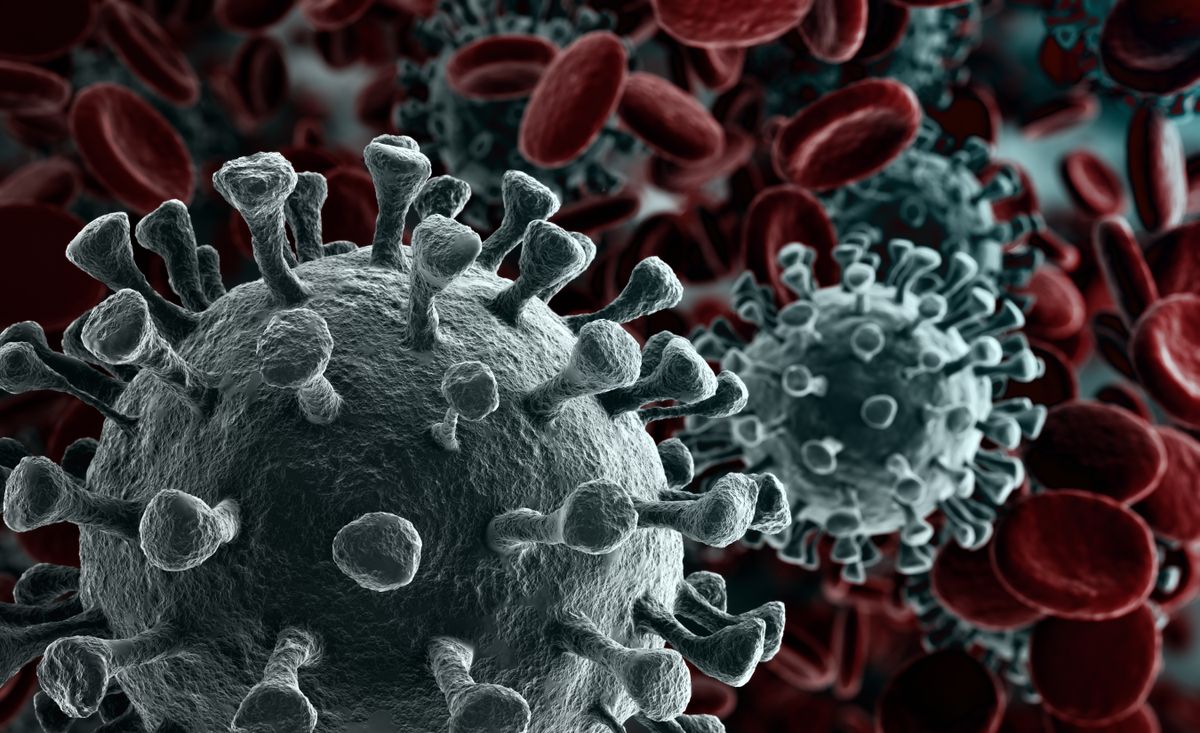 |
| "Live Science" image of coronavirus |
HEAT
Luckily, since we tend to eat our Indian food hot, heating the food is not an issue. According to studies done on thermal inactivation of SARS coronavirus, temperatures of 60 C for a minimum time of 30 minutes is a safe bet to deactivate any potential live virus (1). The Food Safety Authority of Ireland reports there have been no Covid-19 cases or links to food transmission (2); heating is an extra precaution but we were happy enough to spend the added time and effort to ensure peace of mind.
 |
| 60 degrees C for 30 minutes |
DISINFECTANTS
Covid-19 and other coronaviruses are enveloped viruses (as opposed to naked viruses...I'm not kidding, that's what they're called), and that envelope is made up of lipids (ie. fats). Since detergents (ie. soaps) break down fats, they are an effective method of killing coronavirus. Any fat solvents will do the trick (3). We use soap for our hands, and a 75% isopropyl alcohol solution for containers.
| "Patreon photo" |
We have not been hoarding food since grocery stores are generally stocked, and going to the store once a week is enough for our small family, but since we won't be ordering out very often, Christian decided to go extreme and get enough food to feed an army.
The method we took was as follows :
Step 1 : Have delivery person drop food into the airlock; our house has an entry hall between the house and the outside, which is convenient for the "outbreak" version of dystopian present. If your house is not equipped with this, just having them leave it outside is fine (though not so helpful if it's raining).
Step 2 : Using gloves, wipe down outside of containers with 75% isopropyl alcohol, and put them in a tray or container that you will heat them in. We used the metal containers they came in, the polypropylene plastic (recycling #PP5) containers, and emptied food like chips and naan directly onto pans. This is mostly due to the massive amount of food that Christian ordered; we simply do not have THAT many heating containers laying around!

Step 3 : Have another person doing "touch jobs" like opening rubbish bins, doors, etc. Have designated "touch person" set oven to 60 degrees C and set timer for 30 min. This temperature is warm enough to deactivate virus, but not enough to make the pans burning hot. ***Make sure all non-gloved persons stay clear of the workspace.

Step 4 : Once initial heat deactivation is completed, you can transfer food onto stovetop pans, or other oven food containers and heat to the desired temperature for your food (my preference is 175 C). The aluminium containers can leach aluminum ions (4), so I would not suggest using these after the initial decontamination, and the #PP5 melts at 130 C (5) so should not be heated above 100 C. Both of these containers can be recycled and reused. The #PP5 we have actually used for sterilizing soil for growing pink oyster mushrooms at home. During the dystopian present, items like these can be useful if you get creative!

Step 5 : Remove all packaging rubbish to outside bins, wash hands thoroughly, and enjoy your food!

See, it's as simple as that! So, the next time you feel like giving in to that craving, g'wan, indulge; just follow these 5 simple steps and you'll be grand.

References
1. Rabenu H.F., et al. 2005. Stability and Inactivation of SARS coronavirus. Medical Microbiology and Immunology
2. Food Safety Authority Ireland, 2020. Corvid-19.
3. Cascella, M., et al. 2020. Features, Evaluation and Treatment Coronavirus (CORVID-19). Stat Pearls.
4. Soni, M.G., et al. 2001. Safety Evaluation of Dietary Aluminum. Regul Toxicol Pharmacol
5. Creative Mechanisms 2016. Everything you need to know about Polypropylene (PP) Plastic.


Comments
Post a Comment